
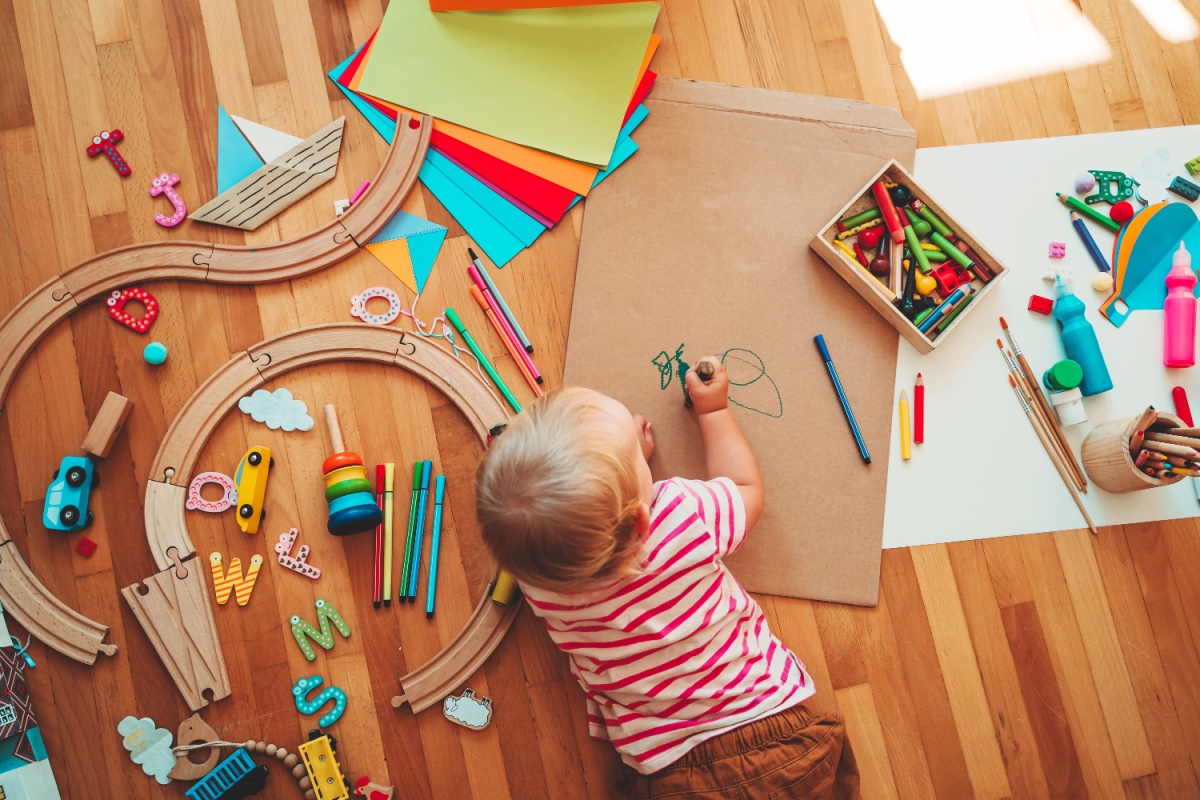
Wintertime in Las Vegas may not bring heavy snow, but it does mean cooler days and more indoor hours for energetic preschoolers. While the playground might take a break, learning certainly doesn’t have to. Parents often look for ways to keep little ones entertained and engaged indoors, and the good news is that many fun, educational activities can be done right at home.
At Candil Hall, we believe that every season offers opportunities for children to grow, create, and discover. As a leading Private School Las Vegas families trust, our teachers use the colder months to focus on hands-on indoor learning that builds confidence, creativity, and foundational skills. Below are seven wonderful indoor activities you can enjoy with your preschooler this winter — each designed to promote both fun and early education.
1. Create an Indoor Obstacle Course to Boost Movement and Focus
Preschoolers are full of energy, and when outdoor play isn’t possible, an indoor obstacle course is the perfect way to keep them active. Using simple items like pillows, hula hoops, and chairs, you can create a fun path that encourages jumping, crawling, and balancing. As your child moves through the course, they develop important gross-motor skills such as coordination, balance, and spatial awareness.
You can make it even more educational by adding learning prompts along the way — ask them to count steps, identify colors, or match shapes before advancing to the next challenge. At Candil Hall’s Toddlers Program, we use similar interactive activities to strengthen physical development while reinforcing early counting and direction-following skills.
2. Turn Story Time into a Winter-Themed Learning Adventure
Cold days are perfect for curling up with a good book, and story time can become a powerful educational tool for preschoolers. Choose winter-themed stories such as The Snowy Day by Ezra Jack Keats or Owl Moon by Jane Yolen to spark imagination and introduce new vocabulary. After reading, ask questions about the story — what the characters felt, what happened first, or what might come next — to help your child develop comprehension and sequencing skills.
Take it a step further by turning the story into a puppet show using stuffed animals or homemade paper puppets. Acting out stories allows children to explore emotions, practice speaking skills, and gain confidence. At Candil Hall Preschool, we integrate story-based play into our curriculum to enhance communication, creativity, and emotional awareness.
3. Explore Simple Indoor Science Experiments
Science isn’t just for the lab — it’s a fun, hands-on way to nurture curiosity at home. Preschoolers love experimenting, and winter provides great themes to explore. Try freezing and melting experiments using ice cubes, salt, and warm water to teach about temperature and cause and effect. You can also create “snowstorms in a jar” using oil, water, and glitter to show how substances interact.
Another favorite is the classic “sink or float” activity, where children predict which household objects will float in a bowl of water. These simple projects build observation, reasoning, and vocabulary skills. The teachers at Candil Hall Kindergarten expand on these foundations with hands-on STEM activities that inspire lifelong curiosity and a love for discovery.
4. Encourage Creativity with Winter Arts and Crafts
Art is one of the best ways for preschoolers to express themselves, and winter offers endless inspiration for creative projects. Gather materials like cotton balls, paper, glue, and safe scissors, and let your child make snowflakes, snowmen, or winter landscapes. Encourage them to describe what they’re creating using new words like “sparkly,” “soft,” or “cold.”
Crafting develops fine-motor skills, hand-eye coordination, and self-expression while fostering patience and focus. Displaying their artwork proudly also boosts confidence and pride in their work. At Candil Hall, creativity is part of every classroom experience — from preschool through elementary — helping children see art not just as a fun activity, but as a tool for learning and communication. Learn more about how we integrate creativity into academics on our Elementary Program page.
5. Bring Music and Movement Indoors
Music brightens any cold day and is a wonderful way to support emotional and cognitive growth. Play upbeat songs and encourage your preschooler to move along. You can turn music time into a learning game with simple activities like “Freeze Dance,” where children must stop moving when the music pauses. This teaches self-control and listening skills while burning off energy.
You can also use rhythm sticks, small drums, or even kitchen utensils to create your own “winter band.” Count beats together or march in rhythm to strengthen early math and pattern recognition. Music and movement are an integral part of Candil Hall’s early-learning approach, used daily to improve focus, memory, and coordination.
6. Set Up Pretend-Play Scenarios to Encourage Imagination
Pretend play is one of the most powerful tools for early learning because it allows children to apply what they know in creative new ways. Turn your living room into a “winter market,” a “cocoa café,” or a “snow-gear shop.” Let your child use play money, toy food, or dress-up clothes to act out different roles.
This type of imaginative play promotes social interaction, vocabulary development, and problem-solving skills. It also gives children a chance to express emotions and experiment with real-world situations in a safe environment. The classrooms at Candil Hall Preschool include themed play centers that change throughout the year, allowing students to explore everything from cooking and shopping to science and construction.
7. Try Winter-Themed Sensory Play
Sensory activities are essential for preschoolers because they connect physical exploration with cognitive learning. During winter, sensory play can have a festive twist — make “snow” by mixing baking soda and water, or create a “Frozen Treasure Hunt” by placing small toys inside ice cubes and letting your child free them using warm water droppers.
You can also make sensory bins filled with rice, white pom-poms, glitter, and winter-themed figurines. Encourage your preschooler to describe how each material feels and what they find. These activities support fine-motor development, language growth, and emotional regulation. In every program at Candil Hall, teachers use sensory experiences to help children calm their minds and strengthen focus — especially during colder months when outdoor play is limited.
Keeping Learning Alive All Winter Long
Even though winter means spending more time indoors, it can also bring wonderful opportunities for learning and bonding. Every activity — whether it’s storytelling, crafting, or science play — strengthens essential preschool skills while nurturing curiosity and imagination.
At Candil Hall, we ensure that children stay active learners year-round through structured yet playful lessons. Our dedicated teachers design engaging classroom experiences that keep students excited to explore, even on the coldest days. Visit our Programs page to learn more about how we blend education, creativity, and care in every season.
Frequently Asked Questions
1. What indoor activities are best for preschoolers during winter?
The best activities combine play and learning — like storytelling, sensory bins, obstacle courses, music, and creative art. These strengthen both cognitive and physical development while keeping children engaged indoors.
2. How can I make learning at home fun for my child?
Use your child’s natural curiosity. Incorporate counting, colors, and language into everyday games. Reading stories, building crafts, and singing songs make learning feel effortless.
3. Why is pretend play important for preschoolers?
Pretend play allows children to explore social roles, solve problems creatively, and express emotions. It supports imagination and helps prepare them for cooperative play in preschool environments.
4. What kind of sensory activities are good for winter?
You can create “snow” with baking soda and water, freeze small objects for discovery play, or fill sensory bins with rice, pom-poms, and glitter. These help develop coordination and focus.
5. How does Candil Hall encourage indoor learning during colder months?
Our teachers plan themed lessons filled with art, storytelling, and hands-on discovery. We keep children active, curious, and happy through engaging indoor programs that align with their developmental needs.
Conclusion: Make Every Winter Day a Learning Day
Winter doesn’t have to slow down your preschooler’s learning journey. With a little creativity and consistency, you can turn indoor time into moments of discovery, imagination, and fun. From building obstacle courses to creating snowy crafts, each experience strengthens skills and builds lasting memories.
At Candil Hall, our mission is to nurture curiosity and confidence all year long. Through warm guidance, structured play, and enriching lessons, we help children grow academically and emotionally — no matter the season. To explore our programs for Toddlers, Preschoolers, Kindergarteners, and Elementary Students, visit and schedule a tour today.