
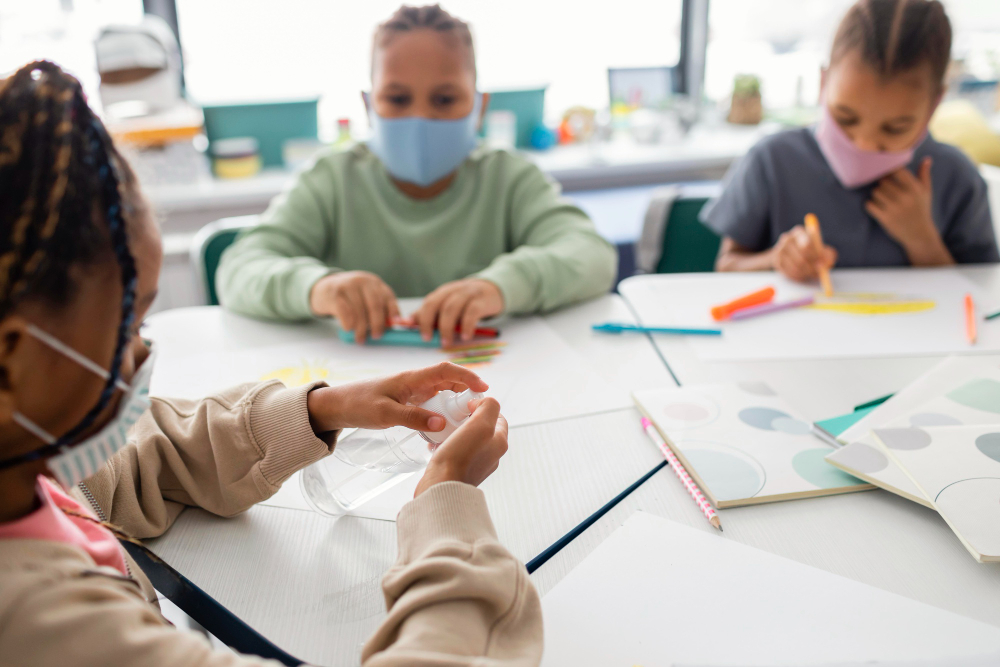
Education is one of the most important foundations for a child’s future success. Parents carefully evaluate many factors when choosing a school for their children, including curriculum, teaching quality, and the learning environment. One factor that often has a significant impact on student success is class size. Small class sizes provide students with a more personalized learning experience and allow teachers to give greater attention to each child’s needs. In educational settings where classrooms are smaller, students often benefit from stronger academic support, better engagement, and improved confidence.
Many private schools prioritize small class sizes because they recognize the powerful role that individualized learning plays in a student’s development. When teachers can focus on each student’s strengths, challenges, and learning style, they can create an educational experience that helps every child reach their full potential.
Many Private Schools in Las Vegas NV emphasize smaller classrooms to ensure students receive personalized attention and meaningful interaction with their teachers. Small class environments support not only academic achievement but also social and emotional growth, which are essential for long-term success.
What Are Small Class Sizes?
Small class sizes generally refer to classrooms where the number of students per teacher is significantly lower than in traditional school settings. In many public schools, classrooms may include twenty-five to thirty students. In contrast, smaller learning environments typically include around ten to fifteen students per class or even fewer.
This reduced student-to-teacher ratio allows teachers to spend more time with each student and better understand their individual needs. Instead of focusing primarily on classroom management, teachers can devote more energy to personalized instruction and student engagement.
Schools that emphasize smaller classes often create a more supportive and interactive environment where students feel comfortable participating in lessons, asking questions, and exploring new ideas. These learning environments help students build confidence and develop a stronger connection to their education.
Individualized Attention for Every Student
One of the greatest advantages of small class sizes is the ability for teachers to give individualized attention to each student. In larger classrooms, teachers must divide their time among many students, which can make it difficult to provide personalized guidance. Some students may struggle without receiving the help they need, while others may not feel challenged enough academically.
In a smaller classroom, teachers can closely monitor student progress and provide immediate feedback. When a student has a question or encounters difficulty understanding a concept, the teacher can address the issue quickly. This ensures that students remain engaged and do not fall behind in their learning.
Individualized attention also allows teachers to adapt lessons to meet each child’s learning style. Some students learn best through hands-on activities, while others respond well to visual or verbal instruction. Small classes make it easier for educators to incorporate different teaching strategies that benefit every learner.
Stronger Teacher-Student Relationships
Small class sizes naturally foster stronger relationships between teachers and students. When teachers work with fewer students, they can spend more time getting to know each child’s personality, interests, and academic needs. These relationships create a supportive classroom environment where students feel valued and respected.
This personalized attention is especially important in Private Preschool Las Vegas programs, where early connections between teachers and young learners help build confidence and trust in the classroom.
When students feel comfortable with their teachers, they are more likely to participate in discussions, ask questions, and express their ideas. This sense of trust helps build confidence and encourages students to take an active role in their learning. Positive teacher-student relationships also improve classroom behavior and motivation. Students who feel connected to their teachers often show greater responsibility, respect, and enthusiasm for learning.
Greater Classroom Participation
Another key benefit of small class sizes is increased student participation. In larger classrooms, some students may hesitate to speak up because many others are competing for attention. This can lead to quieter students remaining disengaged from classroom discussions.
Smaller classrooms provide a more comfortable setting where every student has the opportunity to participate. Teachers can encourage discussion, group activities, and interactive lessons that involve all students in the learning process.
Active participation helps students develop important communication and critical thinking skills. When students share ideas, ask questions, and collaborate with classmates, they gain a deeper understanding of the material and become more confident learners.
Improved Academic Performance
Research consistently shows that students in smaller classes often achieve better academic outcomes. When teachers can focus on individual student progress, they can provide targeted support that helps students master important concepts.
Many families choose Private Kindergarten Las Vegas programs because smaller class sizes allow teachers to give each child the attention they need to thrive academically and socially.
Smaller classes also allow teachers to adjust the pace of instruction based on the needs of the students. Instead of rushing through lessons to keep up with a large group, educators can ensure that students fully understand each topic before moving on to the next one. Students in smaller classrooms often perform better in reading, mathematics, and problem-solving skills. The combination of individualized instruction, active participation, and consistent feedback helps students build a strong academic foundation.
Better Social and Emotional Development
Education involves more than just academic learning; it also includes social and emotional growth. Small class environments provide students with opportunities to build meaningful relationships with their peers.
In smaller classrooms, students interact more frequently with the same group of classmates, which encourages teamwork, cooperation, and mutual respect. Teachers can also monitor social interactions more closely and help students develop important interpersonal skills such as empathy and communication.
These supportive environments help students feel more comfortable and secure in school. When students feel safe and valued, they are more likely to participate in class activities and enjoy the learning process.
Easier Classroom Management
Classroom management becomes much easier when teachers work with smaller groups of students. In large classrooms, managing behavior and maintaining focus can be challenging. Disruptions may occur more frequently, which can interrupt the learning process.
With fewer students, teachers can maintain a calm and structured classroom environment. They can address behavioral issues quickly and ensure that all students remain focused on their work.
A well-managed classroom allows teachers to spend more time teaching and less time handling disruptions. This creates a more productive learning environment where students can concentrate on their studies.
Frequently Asked Questions
1. Why are small class sizes beneficial for students?
Small class sizes allow teachers to provide personalized attention and support, which helps students understand lessons more effectively and stay engaged in the learning process.
2. Do students perform better in smaller classes?
Many studies suggest that students in smaller classes often achieve better academic results because teachers can focus more on their individual progress.
3. How do small classes improve classroom participation?
With fewer students, everyone has more opportunities to ask questions, share ideas, and participate in discussions, which improves engagement and learning outcomes.
4. Are small classes better for younger students?
Yes. Younger students benefit greatly from individualized support, especially during early learning stages when foundational skills are developing.
5. What is the ideal class size for effective learning?
Although the ideal size can vary, many educators believe that classes of about 10–15 students provide a strong balance of interaction and personalized instruction.
Conclusion
Small class sizes play an important role in creating an effective and supportive learning environment. When teachers can give individualized attention, build strong relationships with students, and encourage active participation, students are more likely to succeed academically and socially.
Schools that prioritize smaller classrooms provide students with opportunities to develop confidence, critical thinking skills, and a deeper understanding of academic subjects. These environments not only improve academic outcomes but also help students build the skills they need for lifelong success.If you are looking for a school that values personalized education and supportive learning environments, Candil Hall offers programs designed to help students thrive through small class sizes and dedicated teaching. Contact us today to learn more about our programs.