
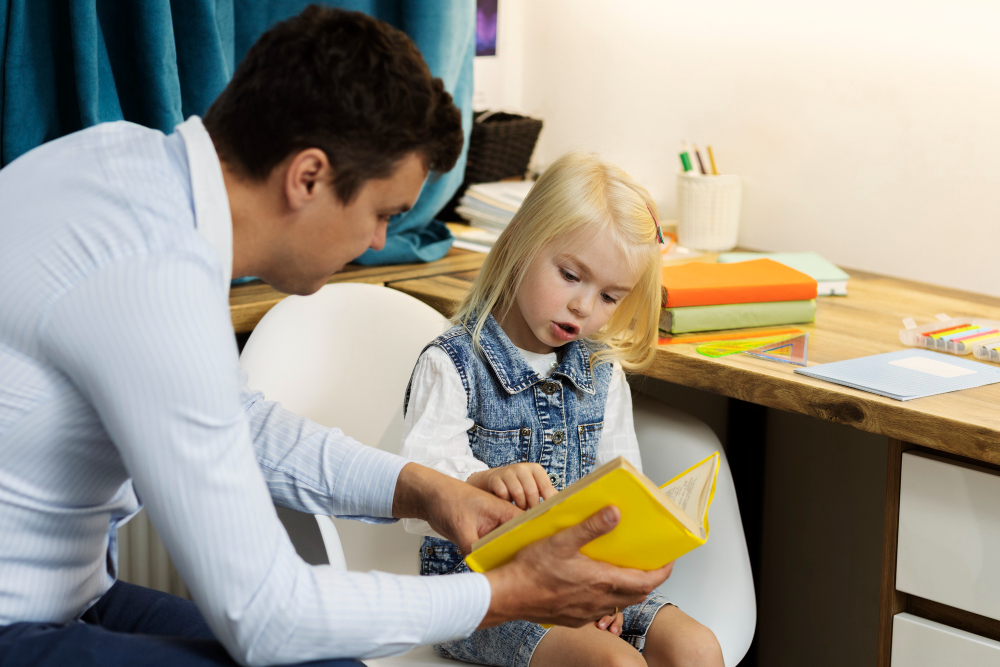
Starting kindergarten is a major milestone in your child’s early development. For many families, it is an exciting moment filled with pride—but also questions and uncertainty. One of the most common concerns parents face is understanding whether their child is truly prepared for kindergarten. Readiness is not only about academic skills; it includes emotional maturity, communication abilities, social interaction, independence, and a genuine curiosity about learning. Every child develops at their own pace, and no two kindergarten journeys look the same. The key is knowing what signs to look for and how to support your child during this important transition.
At Candil Hall Academy, we focus on nurturing confident, curious, and independent learners who are well-prepared for kindergarten. As one of the Best Private Schools in Las Vegas, we strive to give every child the strong foundation they deserve. Our approach emphasizes social-emotional development, hands-on exploration, early literacy, and strong communication skills. To learn more about how our kindergarten program builds strong foundations for future academic success, visit our Private Kindergarten Las Vegas program.
Social and Emotional Readiness: The Heart of Kindergarten Success
Social and emotional readiness is one of the strongest predictors of a smooth kindergarten transition. Children entering kindergarten should begin showing the ability to manage emotions with guidance, follow simple classroom rules, and transition between activities with minimal frustration. Emotional maturity doesn’t mean a child never gets upset; rather, it means they can recover from frustrations and communicate their feelings in age-appropriate ways.
Children who are ready for kindergarten typically show interest in interacting with peers. They may initiate play, participate in group activities, take turns with toys, and express affection or friendship naturally. They are learning to share, negotiate conflicts with gentle guidance, and express their needs verbally rather than through crying or frustration. Another key sign is the ability to separate from parents with minimal distress. While some nerves are normal, children should generally be able to stay with teachers confidently after the first few days.
At Candil Hall Academy, our early childhood programs help children build these skills through structured routines, group play, and compassionate guidance. Daily interactions teach empathy, cooperation, patience, and confidence—traits essential for kindergarten readiness.
Early Academic Foundations: Building Blocks for Lifelong Learning
Academic readiness does not mean that children must read, write, or do advanced math before they begin kindergarten. What matters more is exposure to foundational skills that spark curiosity and make learning enjoyable. Children who are ready for kindergarten often recognize letters, identify some letter sounds, count objects, understand basic shapes, and notice patterns in their environment. These are gentle introductions to literacy and numeracy that help build brain connections before formal learning begins.
One of the simplest and most powerful ways parents can support early academics is through reading. Reading together daily helps children develop vocabulary, listening comprehension, imagination, and an early love for books. Children begin to understand how stories work, recognize familiar words, and build phonological awareness. Counting games, puzzles, sorting activities, nature walks, and asking exploratory questions all reinforce early learning concepts in stress-free ways—important values emphasized at our Private Preschool Las Vegas program.
Communication Skills and Listening Abilities: Keys to a Successful Classroom Experience
Kindergarten requires children to communicate their thoughts, needs, and emotions clearly. A child who is ready for kindergarten should be able to express themselves in simple sentences, describe basic experiences, and ask questions when they need help. Strong communication skills ensure that children feel understood and supported throughout the school day.
Listening skills are equally essential. Young learners should begin to follow one-step and two-step directions, such as “Please put away your crayons and sit on the rug.” They should be able to pay attention during story time, listen when others speak, and participate in group discussions. These skills help children navigate classroom routines and stay engaged in learning activities.
Parents can help strengthen communication by having conversations during meals, asking open-ended questions such as “What was your favorite part of today?”, or retelling stories together. Activities like singing, playing rhyming games, and reading aloud also enhance listening comprehension and expressive language.
Independence and Self-Help Skills: Building Confidence and Capability
Independence is a major component of kindergarten readiness. Children entering kindergarten should be able to manage basic self-help tasks, such as using the restroom independently, washing hands, zipping their backpack, and organizing their personal belongings. These skills allow children to feel more confident and reduce classroom stress.
Self-help skills extend beyond personal care. Cleaning up toys, putting shoes away, opening lunch containers, and choosing appropriate materials during activities all help children function more independently in a school setting. Parents can encourage these habits by offering small responsibilities at home, providing gentle reminders, and celebrating effort rather than perfection.
When children learn to take responsibility for simple tasks, they develop a strong sense of capability—one that will support them throughout kindergarten and beyond.
Curiosity, Attention, and Motivation: The Learning Mindset of a Kindergarten-Ready Child
Perhaps the most important readiness sign is a child’s natural desire to learn. Children who are ready for kindergarten often demonstrate curiosity by asking questions, exploring how things work, and showing interest in stories, numbers, science, or nature. They may enjoy solving problems, imagining creative scenarios, or experimenting with materials like blocks, art supplies, or sensory bins.
Attention span is another important factor. A kindergarten-ready child should be able to stay engaged in a task for at least 10–15 minutes, depending on age. This doesn’t mean they never get distracted, but they should be able to refocus with a gentle reminder.
At Candil Hall Academy, we nurture curiosity and attention through hands-on learning, imaginative play, science discovery, art exploration, and structured routines. When learning feels joyful and meaningful, children enter kindergarten with excitement and confidence.
FAQs
1. At what age should my child start kindergarten?
Most children begin between the ages of 5 and 6, but developmental readiness is more important than age. Look for emotional, social, and communication milestones rather than relying solely on age.
2. What if my child is shy or takes time to warm up?
Shyness is normal and does not mean your child is unready. Many shy children thrive once they adjust to routines. Preschool programs and structured playdates can help build confidence.
3. Does my child need to know how to read before kindergarten?
No. Children should recognize letters and some sounds, but full reading skills are learned in kindergarten. What matters is curiosity and comfort around books.
4. How can I prepare my child emotionally for kindergarten?
Establish predictable routines, talk positively about school, practice independence, read books about starting school, and allow short separations to build confidence.
5. What should I do if my child struggles with independence?
Start small. Encourage simple tasks like cleaning up toys or picking out clothes. Build confidence through praise and gradual responsibility. Independence improves with consistent practice.
Conclusion
Kindergarten readiness is not about perfection—it is about progress, confidence, and enthusiasm for learning. Every child develops differently, and readiness comes from a combination of social skills, emotional maturity, early academics, communication abilities, independence, and natural curiosity. With nurturing support at home and exposure to meaningful learning experiences, children grow into enthusiastic, capable kindergarten learners.At Candil Hall Academy, our hands-on curriculum, nurturing environment, and dedicated teachers help young learners build the foundations they need for kindergarten success. We support children emotionally, socially, and academically to ensure a smooth and joyful transition. To discover more about our enrollment process or explore all of our early education programs, stop by and schedule a tour with us today.