
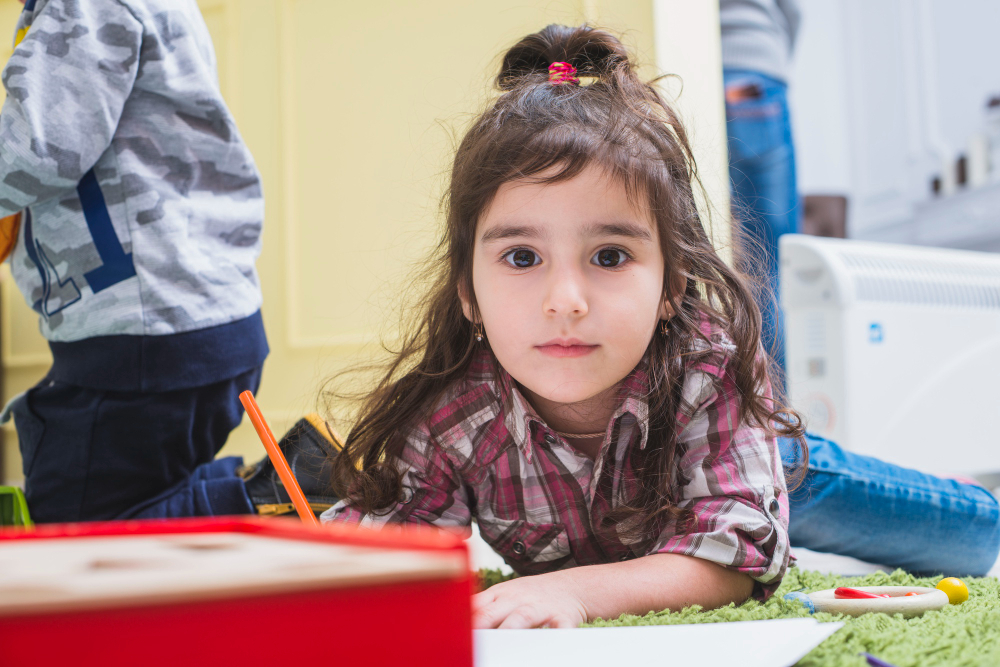
Choosing the right age for a child to start preschool is an important decision for many families. Parents often wonder whether their child should begin preschool at age two, three, or four. While there is no universal answer, understanding a child’s developmental readiness and the benefits of early education can help parents make an informed decision.
Preschool is designed to introduce children to structured learning environments while encouraging curiosity, creativity, and social interaction. During these early years, children develop critical cognitive, emotional, and social skills that form the foundation for lifelong learning. A high-quality preschool program helps children build confidence, improve communication abilities, and prepare for kindergarten.
Many families searching for the Best Private Schools in Las Vegas consider preschool programs that emphasize both academic readiness and social development.
At schools like Candil Hall Academy, early childhood education programs focus on nurturing each child’s unique abilities while providing a safe and engaging learning environment.
Typical Age Range for Preschool Enrollment
Most preschool programs accept children between the ages of two and five years old, although the most common starting age is around three years old. By age three, many children have developed the language skills, independence, and curiosity needed to participate in classroom activities.
Some schools offer toddler programs designed for children as young as two years old. These programs focus primarily on social development, play-based learning, and establishing simple routines that help children adjust to a structured environment.
For children who start preschool closer to age four, programs often include more structured learning experiences. Teachers may introduce early literacy skills, basic math concepts, and classroom routines that prepare students for kindergarten.
Ultimately, the ideal age depends on a child’s developmental readiness and the goals parents have for their child’s early education.
Signs That a Child May Be Ready for Preschool
While age provides a general guideline, developmental readiness is often more important when deciding if a child should start preschool. Some children are eager to begin learning and socializing at an early age, while others may need more time before entering a classroom environment.
One important sign of readiness is curiosity about the world. Children who enjoy exploring new activities, listening to stories, or engaging in creative play may benefit greatly from preschool.
Another sign is basic independence. Children who can manage simple tasks such as washing their hands, eating snacks, or following simple instructions may adapt more easily to classroom routines.
Social readiness is also a key indicator. If a child enjoys playing with other children, sharing toys, or participating in group activities, preschool can help strengthen these social skills.
Parents who notice these developmental signs may find that preschool provides a positive environment for their child’s growth and development.
Benefits of Starting Preschool at Age Three
Many early childhood educators consider age three to be an ideal time for children to begin preschool. At this stage, children are naturally curious and eager to learn through exploration and play.
Preschool programs designed for three-year-olds focus heavily on social and emotional development. Children learn how to interact with peers, follow classroom routines, and communicate their thoughts and feelings effectively.
These early interactions help children build confidence and develop important interpersonal skills. Activities such as storytelling, music, art, and hands-on exploration stimulate brain development and encourage creativity.
Research has shown that children who attend preschool often develop stronger language and communication skills before entering kindergarten. Early exposure to structured learning environments also helps children feel more comfortable in future academic settings.
Starting Preschool at Age Four
Some families choose to enroll their children in preschool at age four, particularly if they feel their child may benefit from additional time at home before beginning formal education.
Four-year-old preschool programs typically emphasize kindergarten readiness. Teachers may introduce letter recognition, basic phonics, numbers, and simple problem-solving activities. These skills help children transition smoothly into kindergarten classrooms.
Preschool at age four often balances structured learning with creative exploration. Children participate in group discussions, interactive learning activities, and collaborative play that support both academic and social development.
Although starting preschool at age four provides less time in early education than starting at age three, it can still effectively prepare children for the next stage of their academic journey.
How Preschool Supports Early Childhood Development
Preschool plays a crucial role in supporting several areas of child development, including social, emotional, cognitive, and physical growth.
Social development occurs as children interact with classmates and teachers in a structured environment. Through group activities and collaborative play, children learn cooperation, empathy, and communication skills.
Cognitive development is encouraged through engaging activities that stimulate curiosity and problem-solving. Teachers introduce early academic concepts such as numbers, letters, and patterns in ways that are fun and interactive.
Emotional development is equally important during the preschool years. Children learn how to express their feelings appropriately, build self-confidence, and develop resilience when faced with challenges.
Physical development also plays a role in early education. Activities such as drawing, building blocks, outdoor play, and movement exercises help strengthen fine and gross motor skills.
Preparing Children for Kindergarten
One of the main goals of preschool is to prepare children for kindergarten and elementary school. Children who attend preschool often enter kindergarten with stronger social skills, improved focus, and greater familiarity with classroom routines.
Preschool introduces children to structured schedules, group learning environments, and teacher-led instruction in ways that are appropriate for young learners. These experiences help children transition smoothly into more advanced educational settings.
Teachers often introduce pre-literacy and early math skills, including recognizing letters, understanding sounds, counting numbers, and identifying shapes and patterns.
In addition to academic preparation, preschool encourages independence and confidence. Children learn how to follow instructions, complete small tasks, and participate actively in classroom activities.
Choosing the Right Preschool Program
Selecting the right preschool involves more than choosing the appropriate starting age. Parents should consider the quality of the learning environment, teaching philosophy, and the qualifications of educators.
A strong preschool program should provide a balance of structured learning and creative play. Classrooms should encourage curiosity, exploration, and social interaction while maintaining a safe and nurturing environment.
Parents may benefit from visiting potential schools, observing classrooms, and speaking with teachers to better understand the program’s approach to early education.
A supportive preschool environment helps children develop a love for learning while building the skills needed for future academic success.
FAQs
1. At what age do most children start preschool?
Most children begin preschool between three and four years old, depending on developmental readiness and school program options.
2. Can a child start preschool at age two?
Yes. Some schools offer toddler or early preschool programs designed for children around age two.
3. Does preschool help children prepare for kindergarten?
Yes. Preschool helps children develop social skills, communication abilities, and early academic foundations that support kindergarten success.
4. What skills should a child have before starting preschool?
Children do not need advanced academic skills, but basic independence, curiosity, and the ability to follow simple instructions can help them adjust to preschool.
5. How do parents choose the best preschool?
Parents should look for qualified teachers, a safe environment, engaging learning activities, and opportunities for social interaction.
Conclusion
Determining the best age for a child to start preschool depends on individual development, readiness, and family preferences. While many children begin preschool around age three, others may start earlier or later depending on their needs.
What matters most is finding a nurturing environment that supports curiosity, creativity, and social development. A high-quality preschool program can help children build confidence, develop important life skills, and prepare for kindergarten and beyond.
At Candil Hall Academy, early childhood programs are designed to support children during these important developmental years. Through engaging learning experiences and supportive teachers, children gain the skills they need to succeed academically and socially.If you would like to learn more about preschool enrollment or schedule a visit, please contact Candil Hall Academy today.