
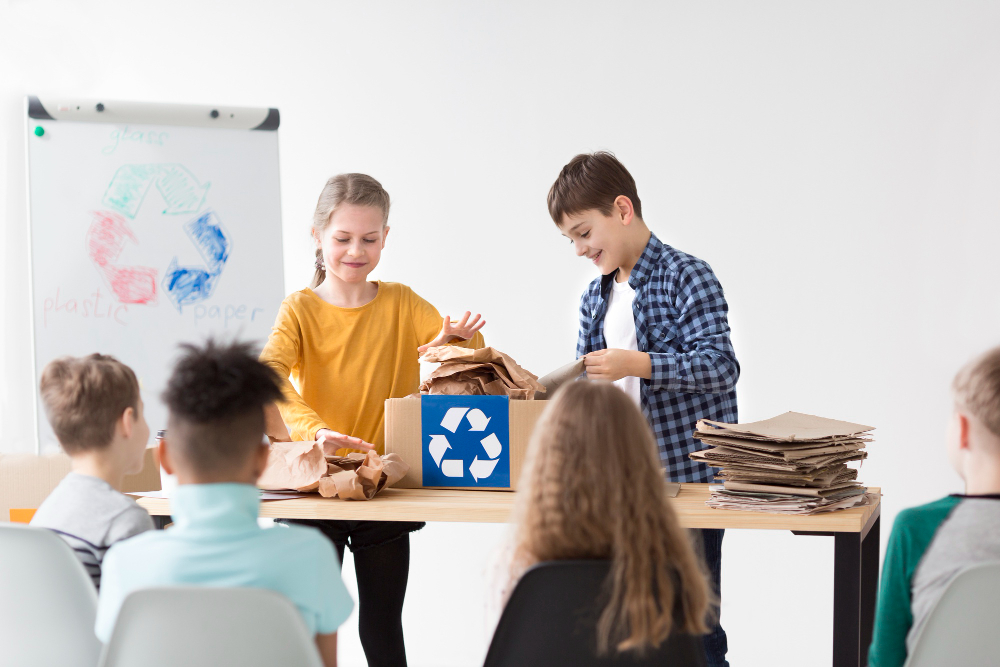
Classroom environment plays a major role in shaping how students behave, learn, communicate, and perform academically throughout the school day. From classroom organization and seating arrangements to lighting, emotional support, and teacher interaction, every aspect of the learning environment can influence student focus, motivation, confidence, and social behavior.
Many educators spend significant time developing lesson plans, assessments, and curriculum strategies. However, the learning environment can be just as important as the material being taught. A positive classroom environment encourages engagement, respect, creativity, and emotional security, while a poorly structured environment may contribute to stress, distraction, behavioral challenges, and reduced academic performance.
At Candil Hall Academy, educational environments are designed to support academic growth, emotional well-being, and positive student development through engaging and structured learning experiences. Families searching for the Best Private Schools often prioritize campuses that provide supportive classroom environments, individualized attention, strong academic programs, and a positive atmosphere that helps students thrive both academically and personally.
Why Classroom Environment Matters
Students spend a large portion of their day inside classrooms, making the learning environment one of the most influential factors in their educational experience. A well-designed classroom helps students feel comfortable, organized, and emotionally secure, which often improves both behavior and academic performance.
Positive classroom environments create a sense of belonging. When students feel welcomed and respected, they are more likely to participate in lessons, communicate confidently, and interact positively with others. On the other hand, stressful or chaotic environments may increase frustration, anxiety, and behavioral disruptions.
At Candil Hall Academy, our facility is designed to support both academic success and student well-being by providing safe, structured, and engaging learning spaces that encourage confidence, focus, creativity, and positive social interaction.
Research consistently shows that classroom atmosphere affects:
- Student motivation
- Emotional regulation
- Participation
- Social interaction
- Concentration
- Academic performance
- Classroom behavior
Creating a strong classroom environment involves much more than decorating walls or arranging desks. Emotional safety, consistency, organization, communication, and teacher support all contribute to successful learning spaces.
The Physical Environment and Student Behavior
The physical setup of a classroom directly affects how students behave and interact throughout the school day. Classroom design influences movement, communication, concentration, and engagement.
Classroom Organization
An organized classroom helps reduce confusion and distractions. When supplies, books, and learning materials are easy to access, students are more likely to stay focused and complete assignments independently. Clear classroom structure also improves routines and classroom management.
Cluttered or disorganized spaces may increase stress and make it harder for students to concentrate. Students often perform better in environments where expectations and physical layouts are predictable and easy to navigate.
Lighting and Color
Lighting significantly impacts mood, focus, and energy levels. Natural lighting often improves concentration and emotional well-being, while harsh fluorescent lighting may contribute to fatigue or overstimulation for some students.
Color choices also influence classroom atmosphere. Soft and calming colors may help students feel relaxed and focused, while overly bright or distracting colors can increase restlessness and reduce attention spans.
Seating Arrangements
Classroom seating arrangements affect participation and social interaction. Flexible seating options and collaborative layouts often encourage teamwork, communication, and active learning. Some students perform better in group settings, while others focus more effectively with structured seating arrangements.
Teachers frequently adjust seating strategically to support students who may require additional academic or behavioral guidance.
Emotional Environment and Student Conduct
The emotional atmosphere inside a classroom is equally important as the physical environment. Students learn more effectively when they feel emotionally safe, respected, and supported by teachers and classmates.
Positive emotional environments encourage students to express themselves confidently without fear of embarrassment or criticism. Teachers who promote kindness, inclusion, patience, and consistency often create stronger classroom communities where students feel motivated to participate.
When students feel disconnected or emotionally unsupported, disruptive behavior may increase. Anxiety, frustration, low confidence, and lack of emotional support can negatively impact concentration, participation, and social interaction.
Positive emotional environments usually include:
- Respectful communication
- Clear expectations
- Consistent classroom routines
- Encouragement and recognition
- Inclusive teaching practices
- Emotional support
Students who feel valued and understood are generally more willing to cooperate positively with peers and teachers.
Classroom Environment and Academic Performance
Student behavior and academic success are closely connected. Students who feel comfortable and engaged in their classroom environment are more likely to focus during lessons, complete assignments, and participate actively in learning activities.
Structured and calm classrooms also allow teachers to spend more time teaching rather than managing disruptions. This creates stronger learning opportunities for the entire class.
Research has shown that positive classroom environments may contribute to:
- Higher academic achievement
- Better attendance
- Improved concentration
- Increased participation
- Stronger communication skills
- Better emotional regulation
Students are also more likely to enjoy learning when they feel connected to their classroom environment and supported by teachers.
The Importance of Teacher-Student Relationships
Teachers play one of the most important roles in shaping classroom culture and influencing student behavior. Positive teacher-student relationships often lead to stronger classroom management and improved academic engagement.
Students who trust and respect their teachers are generally more willing to ask questions, participate in discussions, and follow classroom expectations. Supportive teachers also help students build confidence, resilience, and emotional stability.
Effective teachers create environments where students feel comfortable making mistakes and learning from them. This encourages creativity, critical thinking, and long-term academic growth.
Classroom environments improve significantly when teachers:
- Communicate clearly
- Show empathy
- Encourage collaboration
- Recognize achievements
- Maintain consistency
- Promote inclusivity
These teaching practices help students feel emotionally secure and academically motivated throughout the learning process.
Programs at Candil Hall Academy
Candil Hall Academy offers a well-rounded educational experience designed to support children through every stage of early learning and elementary development. The school focuses on academic excellence, creativity, individualized learning, and student growth in a nurturing environment. Parents looking for a strong academic foundation combined with enrichment opportunities can learn more about the school here.
The academy provides several programs that help students grow academically, socially, and physically throughout their educational journey.
- Toddler Program
- Preschool Program
- Kindergarten Program
- Elementary School Program (Grades 1–5)
- Specials Program
- Athletics Program
- Summer Camp Program
Families interested in exploring these educational opportunities can view the full list of programs.
Technology and Modern Learning Environments
Technology has become an important part of modern classrooms. Interactive whiteboards, tablets, digital assignments, and online learning platforms can improve student engagement when used effectively.
Technology can support creativity, collaboration, and personalized learning experiences. However, balance is important. Excessive screen time or poorly managed technology may increase distractions and reduce focus.
Successful modern classrooms combine technology with emotional support, collaboration, structure, and meaningful teacher-student interaction. Technology should enhance learning without replacing personal communication and classroom connection.
Frequently Asked Questions
1. How does the classroom environment affect student behavior?
The classroom environment affects students’ focus, emotional well-being, participation, and social interaction. Positive environments often encourage better behavior and stronger academic engagement.
2. Why is classroom organization important?
Organized classrooms reduce distractions, improve concentration, and help students complete tasks more independently.
3. Can classroom design improve academic performance?
Yes. Lighting, seating arrangements, classroom structure, and organization all influence learning and concentration.
4. How do teacher-student relationships affect behavior?
Supportive teacher-student relationships help students feel respected, motivated, and emotionally secure, which improves classroom behavior and participation.
5. What creates a positive classroom environment?
Respectful communication, emotional support, organization, consistency, inclusion, and clear expectations all contribute to positive classroom environments.
Conclusion
The connection between classroom environment and student behavior is stronger than many people realize. Physical organization, emotional support, classroom culture, and teacher relationships all influence how students behave, learn, and succeed academically.
At Candil Hall Academy, we believe educational environments should inspire confidence, creativity, collaboration, and lifelong learning. Call us today at 702.656.3370 to learn more about our programs or schedule a tour through our contact.