
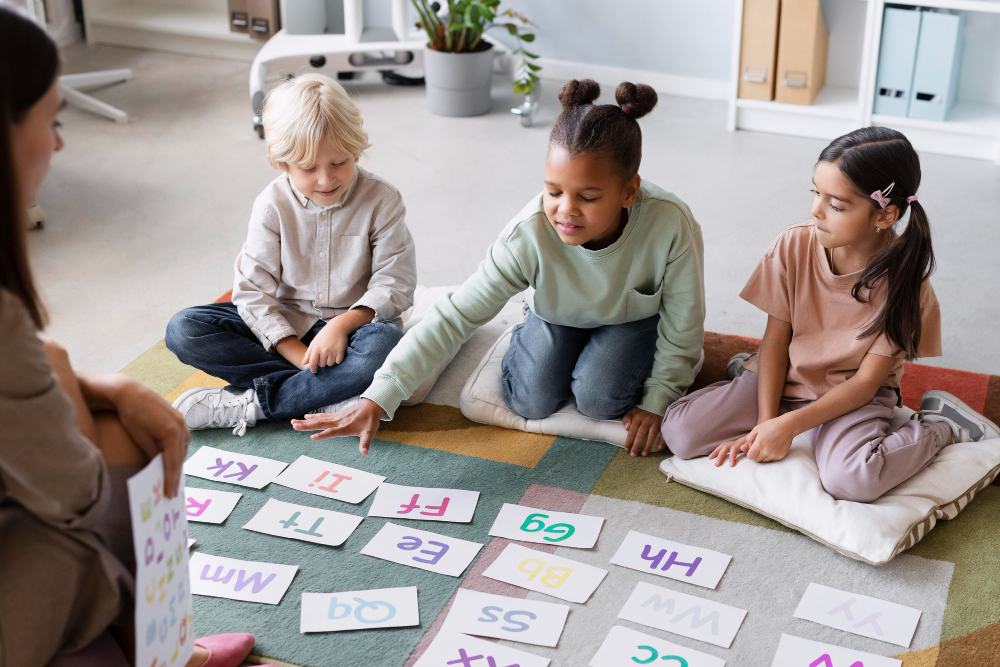
Helping children learn to read is one of the most important steps in early education. Strong reading skills build confidence, support academic success, and open the door to lifelong learning. However, not every child learns the same way, which is why modern teaching methods have evolved to become more engaging and effective. One such method that has gained popularity in early childhood education is Zoo-Phonics.
Zoo-Phonics is not just another phonics program. It is a multi-sensory approach that combines movement, sound, and visual learning to help children understand letters and sounds in a fun and memorable way. For parents exploring early education options through Best Private Schools, understanding how Zoo-Phonics works can help you make informed decisions about your child’s learning journey.
Understanding What Zoo-Phonics Is
Zoo-Phonics is a phonics-based program designed to teach children the alphabet using animals, sounds, and physical movements. Each letter is associated with an animal character that represents both the shape and sound of the letter. For example, the letter “A” is linked with an alligator, and children mimic its movement while making the “a” sound.
This approach transforms abstract letters into something concrete and relatable. Instead of memorizing symbols, children experience letters through actions and sounds, making the learning process more natural and engaging.
Early learning environments, such as Preschool, often focus on interactive teaching methods like Zoo-Phonics to help children build strong foundational skills in reading, language, and communication.
How Zoo-Phonics Uses Multi-Sensory Learning
One of the biggest strengths of Zoo-Phonics is its use of multi-sensory learning. This means children engage multiple senses at the same time, which improves memory and understanding.
The program focuses on three key elements. First, visual learning helps children recognize letters through animal images. Second, auditory learning allows them to hear and repeat letter sounds. Third, kinesthetic learning involves physical movement, which reinforces memory through action.
When children see, hear, and physically act out a concept, they are more likely to remember it. This approach is especially effective for young learners who are naturally active, curious, and eager to explore.
Programs for younger children, such as Toddler School, often use similar sensory-based learning methods to encourage engagement, build early skills, and support overall development.
Why Zoo-Phonics Is Effective for Early Readers
Zoo-Phonics is effective because it matches the way young children naturally learn. Instead of sitting still and memorizing, children are encouraged to move, speak, and interact.
This method builds phonemic awareness, which is the ability to hear and understand sounds in words. Phonemic awareness is a critical skill for reading success, and Zoo-Phonics strengthens this ability from an early age.
Children who learn through movement and repetition tend to develop stronger neural connections, helping them recognize language patterns more easily and apply them when reading new words.
As children grow, Private Kindergarten programs continue to build on these foundational skills, helping students transition smoothly into structured reading and writing.
Building Confidence Through Interactive Learning
One of the biggest challenges in early education is keeping children engaged. Traditional teaching methods can sometimes feel repetitive or difficult, especially for children who struggle with attention or learning differences.
Zoo-Phonics addresses this challenge by making learning interactive and fun. By using animals, sounds, and movement, lessons become engaging and memorable, which helps children stay focused and actively involved in classroom activities. Children are more likely to participate actively when they enjoy the learning process.
This increased engagement naturally builds confidence. When children feel successful, they become more willing to try new things, participate in class, and develop a positive attitude toward learning. Confidence gained during early education plays an important role in long-term academic success, especially as children transition into more advanced learning environments such as Elementary Schools.
How Zoo-Phonics Supports Different Learning Styles
Every child learns differently. Some children respond well to visual cues, while others learn better through sound or physical activity. Zoo-Phonics is designed to support all these learning styles.
Visual learners benefit from colorful animal representations of letters. Auditory learners improve through repeated sounds and phonics practice. Kinesthetic learners thrive by using body movements to reinforce learning.
This flexibility makes Zoo-Phonics an inclusive teaching method that can support a wide range of learners, including those who may struggle with traditional approaches.
By addressing multiple learning styles at once, Zoo-Phonics ensures that no child is left behind.
The Role of Teachers and Parents in Zoo-Phonics Learning
While Zoo-Phonics is highly effective in the classroom, its impact increases when parents are involved at home. Teachers introduce the concepts and guide children through structured activities, but parents can reinforce learning through simple daily interactions.
Reading together, practicing sounds, and repeating movements can strengthen what children learn in school. Even short, consistent practice sessions can make a big difference.
When teachers and parents work together, children receive consistent support, which accelerates learning and builds stronger skills.
How Zoo-Phonics Builds a Strong Reading Foundation
Zoo-Phonics does more than teach the alphabet. It helps children understand how letters combine to form words. Once children are comfortable with individual sounds, they begin to blend them.
This process is essential for reading. Children move from recognizing single letters to reading simple words and eventually full sentences.
Because Zoo-Phonics focuses on understanding rather than memorization, children develop deeper reading skills. They are better able to decode unfamiliar words and read with confidence.
Over time, this strong foundation supports success in all areas of learning, from language arts to other academic subjects.
Frequently Asked Questions (FAQs)
1. What age group is Zoo-Phonics suitable for?
Zoo-Phonics is best suited for toddlers, preschoolers, and early elementary students who are beginning to learn letters and sounds.
2. Is Zoo-Phonics effective for children who struggle with reading?
Yes, its multi-sensory approach makes it especially helpful for children who need additional support or learn differently.
3. Can Zoo-Phonics be practiced at home?
Absolutely. Parents can reinforce learning by practicing sounds, movements, and reading activities with their children.
4. How is Zoo-Phonics different from traditional phonics programs?
Unlike traditional methods, Zoo-Phonics uses movement, visuals, and sound together, making learning more interactive and engaging.
5. Does Zoo-Phonics help with long-term reading skills?
Yes, it builds strong foundational skills that support reading, comprehension, and academic success over time.
Conclusion
Zoo-Phonics is a powerful and engaging way to teach children how to read. By combining movement, sound, and visual learning, it creates a fun and effective environment where children can thrive.
Early literacy is one of the most important investments in your child’s future. Choosing the right learning approach can make a lasting difference in their confidence and academic success.
If you are looking for a nurturing and effective educational environment, visit us to learn more about available programs and contact us today to support your child’s learning journey.