
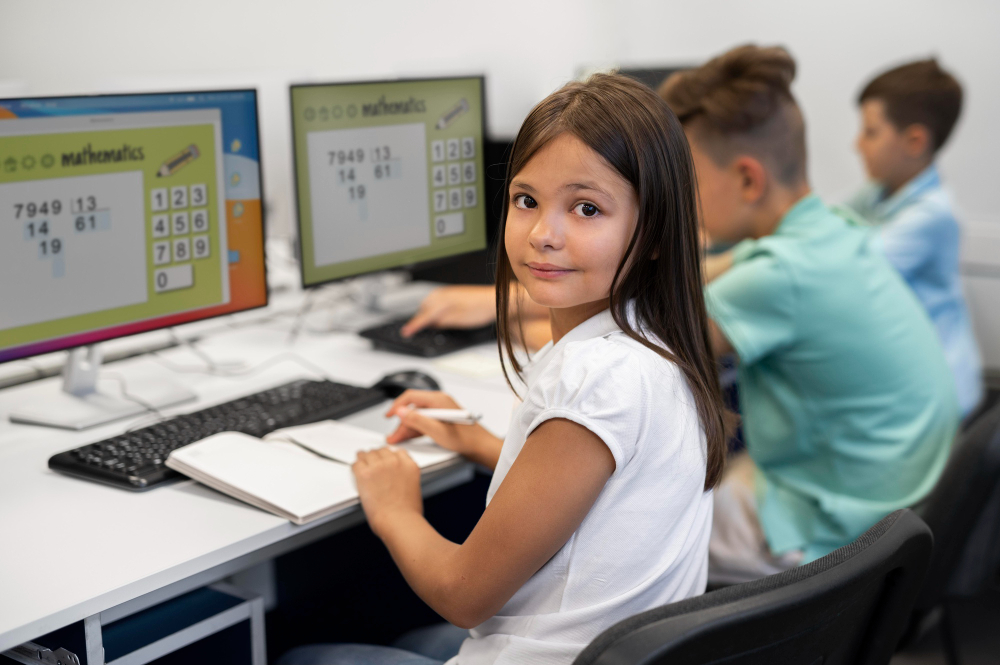
In today’s technology-driven world, education has moved far beyond traditional methods, with digital tools playing a key role in classrooms. Students are now expected to use computers from an early age, making keyboarding an essential skill for academic success, communication, and confidence.
As children progress through early learning stages, they build basic coordination and digital awareness through structured activities and classroom exposure. These early skills prepare them for more advanced learning in elementary grades, where typing becomes necessary for assignments, research, and everyday schoolwork.
Strong keyboarding skills help students learn faster, stay organized, and adapt more easily to modern education systems. Many Private Schools focus on developing these skills early to ensure students are prepared for future academic and career success.
Building a Strong Foundation for Digital Learning
Elementary school is a crucial period for developing essential skills that will shape a child’s academic journey. Keyboarding plays an important role in bridging traditional learning methods with modern digital education. When students learn to type early, they can focus more on understanding lessons rather than struggling with basic computer functions.
For example, a student who is comfortable typing can easily complete assignments, participate in online activities, and interact with digital tools without hesitation. This creates a smoother learning experience and reduces frustration. Educational environments like those highlighted on emphasize the importance of building strong foundational skills that support both academic and digital growth.
Improving Writing and Communication Skills
One of the most significant advantages of keyboarding is its impact on writing. Many young students have creative ideas but struggle to express them due to slow handwriting or difficulty forming letters. Keyboarding removes this barrier by allowing students to focus on their thoughts instead of the mechanics of writing.
When typing becomes a natural skill, students can write faster, edit more efficiently, and organize their ideas more clearly. This leads to improved sentence structure, grammar, and overall communication. As students progress in their academic journey, strong keyboarding skills help them keep up with increasing writing demands and digital assignments.
Many Private Elementary School programs emphasize early keyboarding development to ensure students build confidence, improve writing fluency, and succeed in modern, technology-based learning environments.
Boosting Confidence and Independence
Confidence is a key factor in a child’s learning experience. Students who are comfortable using a keyboard are more likely to participate in class activities and complete assignments independently. This independence is especially important in modern classrooms where digital tools are widely used.
Without keyboarding skills, children may feel frustrated or hesitant when using computers. However, with regular practice and gradual improvement, they become more confident and capable in their abilities. This confidence encourages them to explore new learning opportunities, take initiative, and engage more actively in their education.
Early exposure through Private Kindergarten programs helps children build these essential skills and confidence from a young age, setting a strong foundation for future academic success.
Enhancing Academic Performance Across Subjects
Keyboarding is not limited to one subject—it supports learning across the entire curriculum. In language arts, students use typing to write essays and stories. In science and social studies, they may conduct research and create presentations. Even in math, students often use digital tools that require basic typing skills.
Students who type efficiently can complete tasks more quickly and accurately, allowing them to focus on understanding concepts rather than struggling with input methods. This improved efficiency leads to better academic performance and a more positive learning experience overall. Schools that integrate structured learning approaches, such as those found on recognize the importance of combining traditional education with digital skills.
Developing Digital Literacy Skills
Digital literacy is an essential life skill in today’s world, and keyboarding is a key part of it. Learning to type helps students understand how to use computers, navigate software, and interact effectively with digital platforms.
As students progress in their education, digital literacy becomes increasingly important for completing online assignments, participating in virtual classrooms, and using technology for research and collaboration. Introducing keyboarding at an early stage ensures students are well-prepared for these demands.
Early learning programs, such as Private Preschool , play an important role in helping children build early familiarity with technology and learning tools, laying a strong foundation for future digital literacy.
Encouraging Better Focus and Productivity
When students are not comfortable with keyboarding, they often spend too much time looking at the keyboard instead of focusing on their work. This can lead to distractions and reduced productivity. However, as students develop typing skills, they begin to rely on muscle memory, allowing them to type without constantly looking down.
This shift improves concentration and helps students stay engaged with their tasks. As a result, they become more productive and complete assignments more efficiently.
Preparing Students for Future Success
The importance of keyboarding skills extends beyond elementary school. As students progress to higher grades, the demand for typing increases significantly. Assignments become longer, research projects become more complex, and digital communication becomes more frequent.
Students who develop keyboarding skills early have a clear advantage. They can handle academic challenges more easily and adapt to new technologies with confidence. In addition, many careers require strong computer skills, making early keyboarding practice a valuable investment in a child’s future.
The Role of Early Education in Skill Development
The journey toward strong keyboarding skills begins long before elementary school. Early childhood education programs focus on developing coordination, cognitive skills, and positive learning habits that prepare children for future academic success.
Programs designed for younger learners, such as Toddler School, help children build foundational skills like hand-eye coordination, focus, and familiarity with basic learning tools. As they transition into kindergarten and elementary school, these early abilities are further developed through structured activities, including introductory keyboarding practice and digital learning experiences.
Practical Tips for Teaching Keyboarding to Kids
Teaching keyboarding to children does not have to be complicated. The key is consistency and engagement. Short daily practice sessions of 15 to 20 minutes can lead to noticeable improvement over time.
Using interactive tools, typing games, and guided lessons can make learning enjoyable. It is also important to encourage proper posture, hand positioning, and regular practice. Creating a supportive environment helps children stay motivated and build confidence as they improve their skills.
Frequently Asked Questions (FAQs)
1. At what age should children start learning keyboarding?
Children can begin learning basic keyboarding skills around the ages of 5 to 6, typically during kindergarten.
2. How can kids improve their typing speed?
Regular practice, typing games, and structured lessons help improve speed and accuracy.
3. Why is keyboarding important for elementary students?
It helps students complete assignments efficiently, improves writing skills, and supports digital learning.
4. Are typing programs effective for young learners?
Yes, they provide structured guidance and make learning more engaging.
5. How much practice is needed to see improvement?
Even 15 to 20 minutes of daily practice can produce noticeable results within a few weeks.
Conclusion
Keyboarding skills are an essential part of modern education, helping elementary students build confidence, improve communication, and enhance academic performance. As technology continues to shape the learning environment, these skills will only become more important.By introducing keyboarding early and encouraging consistent practice, parents and educators can give children a strong advantage in both academics and future careers. To learn more about educational programs and how to support your child’s development, visit and explore available resources. You can also contact us to get started and help your child build the skills needed for success in today’s digital world.